
Good travel gear should make the trip feel lighter before you even leave home. The most useful items reduce packing decisions, protect the essentials, keep devices powered, and help you recover between long transit days. This guide focuses on practical travel products that work across weekend trips, flights, road trips, and family travel rather than single-use novelties.
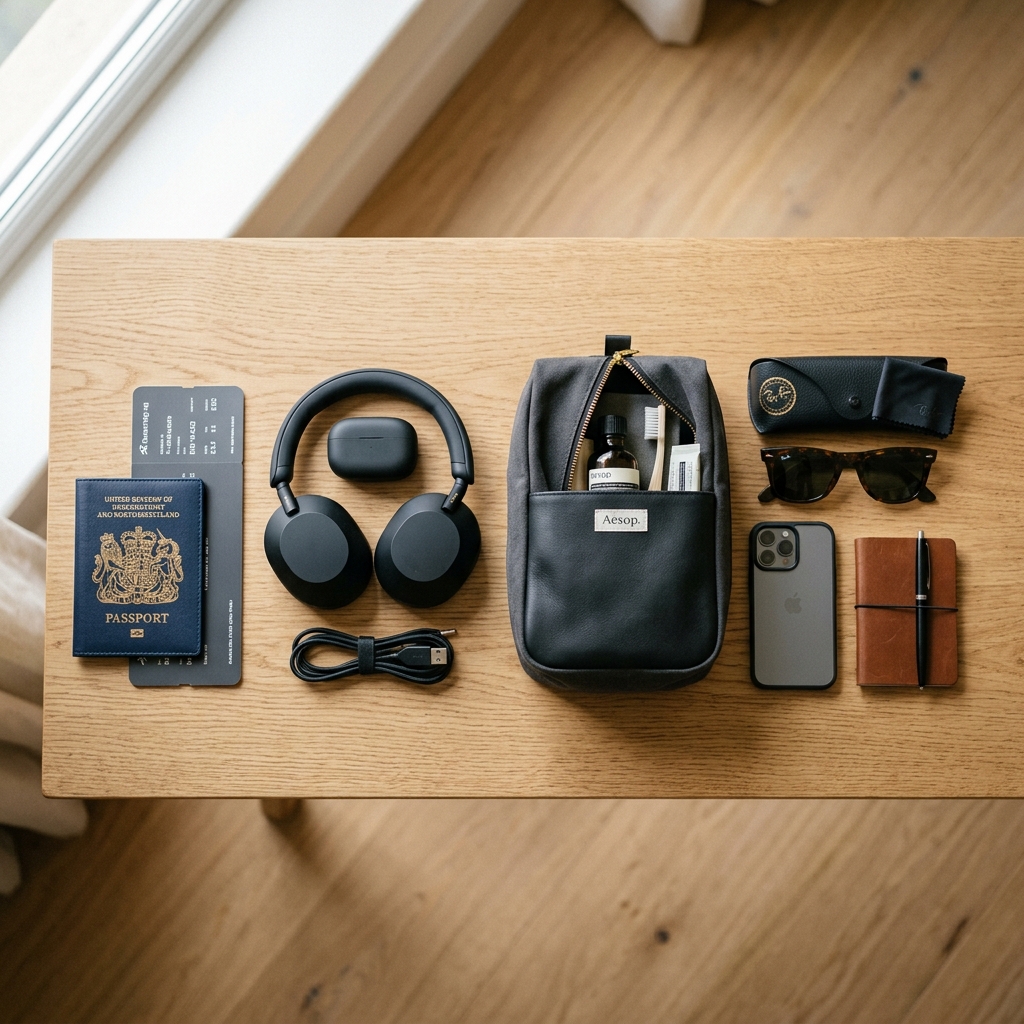
Packing Systems That Save Time
Packing cubes are useful because they create small drawers inside a suitcase. They separate clean clothes from laundry, make security repacking faster, and let you unpack without scattering everything across a hotel room. Compression cubes can help with bulky clothing, but they are not magic; overstuffing them can wrinkle clothes and make bags harder to close.
Toiletry organizers should hang securely, wipe clean, and stand up to leaks. Clear pouches help at security checkpoints, while opaque kits can look cleaner in a bathroom. The best setup is one you can refill quickly after each trip so you are not rebuilding from scratch every time.
Portable Power and Connectivity
A reliable power bank is one of the most important travel items. For phones and earbuds, 10,000mAh is often enough for a day of backup. For tablets, long flights, or multiple travelers, 20,000mAh can be worth the size. USB-C ports, clear charge indicators, and airline-compliant capacity are more important than flashy designs.
Packing check: put chargers, medication, documents, and one backup outfit in your personal item when flying. Checked luggage should never hold every essential.
Comfort in Transit
Comfort products should be compact enough that you will actually bring them. A neck pillow, eye mask, compression socks, lightweight layer, or noise-reducing headphones can help on long travel days, but bulk is the enemy. Choose items that pack flat or clip securely to a bag without swinging around.
Organization for Families and Longer Trips
Families and multi-stop travelers benefit from color-coded pouches, laundry bags, cable organizers, and small first-aid kits. The goal is to make common items findable without unpacking everything. If several people share one suitcase, assign categories or colors before packing.
What to Avoid
- Bulky organizers that weigh almost as much as the items they hold.
- Power banks without clear capacity or safety information.
- Travel bottles that are hard to clean or leak when squeezed.
- Comfort accessories so large that they stay home after one trip.
Bottom Line
The best travel essentials are boring in the best way: they work repeatedly, pack easily, and solve predictable problems. Build a small kit you can reuse, refill, and trust on every trip.
Reset Your Kit After Each Trip
The easiest way to stay travel-ready is to reset your kit as soon as you get home. Refill toiletries, recharge power banks, replace used medicine or bandages, empty laundry bags, and put travel documents back in the same pouch. This prevents the next trip from starting with a scramble.
Keep a small checklist inside your suitcase or notes app. Over time, remove items you never use and add only the things you wished you had. A lean kit built from actual trips will always beat a generic packing list.
Carry-On vs. Checked: What Actually Belongs Where
| Item | Carry-On | Checked OK |
|---|---|---|
| Medication | Always — never check it | No |
| Power Bank (lithium) | Required — airline rules | No (prohibited) |
| Valuables / Electronics | Strongly recommended | Risky |
| Liquids >100ml | No (TSA rules) | Yes |
| Backup outfit | One set recommended | Rest is fine |
Frequently Asked Questions
What are the most essential travel items to always pack?
Non-negotiables: ID/passport, medication, phone charger, a power bank under 100Wh, one backup outfit, and destination documents. Everything else is comfort — important, but replaceable on the road.
Are packing cubes actually worth it?
Yes for most travelers. They create fixed zones in luggage, prevent shifting, and make hotel unpacking much faster. Standard cubes deliver most of the benefit — compression cubes help with bulky clothing but aren't essential.
What size power bank do I need for travel?
10,000mAh covers a phone plus earbuds for one full day. 20,000mAh for tablets or multiple devices on long flights. Must be under 100Wh for carry-on — power banks are prohibited in checked baggage.
What travel items are genuinely overrated?
Large non-compressible neck pillows, heavy multi-tool kits (mostly prohibited in carry-on), overstocked first-aid kits, and travel-specific versions of everyday items that cost more than just bringing the real thing.
As an Amazon Associate, Feexup earns from qualifying purchases. Our editorial recommendations are made independently of affiliate relationships.
Sources & methodology
This guide was human-reviewed under our editorial methodology. Airline and security rules can change; check the current TSA, FAA, airline, and destination requirements before travel.